HomeArticlesWhat Is a Semi-Commercial Mortgage in the UK?
What Is a Semi-Commercial Mortgage in the UK?
September 16, 2026 9 Min Read
Commercial Mortgage
✅ What is a semi-commercial
mortgage in the UK?
A semi-commercial
mortgage - sometimes called a mixed-use mortgage - is
commercial finance for property combining residential and business use within
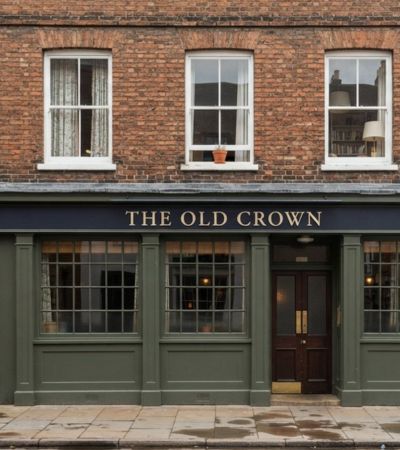
the same building or title: the shop with a flat above, the pub with
accommodation upstairs, offices below apartments. Rather than forcing the
property into a fully residential or fully commercial box, the lender assesses
both elements together, recognising two income sources at once. Money Pilot
covers this market across 200+ lenders at zero broker fees - FCA
regulated (FRN: 968705).
Property doesn't always sit neatly in one box. A shop with a
flat above it. A pub with a manager's accommodation upstairs. A converted
building with offices on the ground floor and apartments on the rest. All of
these have one foot in the residential world and one foot in the commercial
world, and none of them fit comfortably into a standard mortgage
product.
That's the gap a semi-commercial mortgage exists to
fill.
A semi-commercial mortgage, sometimes called a mixed-use
mortgage, is a type of commercial finance designed for properties that combine
both residential and commercial use within the same building or
title.
Rather than treating the property as either fully residential or
fully commercial, a semicommercial lender assesses both elements together,
recognising that the building generates value and income from two different
sources at once.
Bank of England held base rate at 4.25% in June 2026 - waiting for inflation to cool.
73% of UK SMEs expect to grow in the next 12 months - confidence remains strong.
What kinds of property count as semi-commercial?
More than people usually expect. Common examples
include:
A
shop or takeaway with a flat above it
A
pub or restaurant with staff or owner's accommodation upstairs
- An office building with residential units elsewhere in the
same block
A
converted building with a mix of commercial and residential space
Guest
houses or B&Bs with an owner's private living quarters
The common thread is a single property, or a single title, where
part of the space is lived in and part of it is used for business.
Why can't these be financed with a standard
mortgage?
Because standard residential and buy-to-let mortgages are priced
and underwritten on the assumption that the entire property is residential. The
moment a commercial unit is part of the building, most mainstream lenders step
back, not because the property is unviable, but because it falls outside the
scope of what those products were designed to assess.
A purely commercial mortgage isn't quite right either, since it
doesn't naturally account for the residential income or use within the
building. Semi-commercial finance sits deliberately between the two.
How do lenders assess a semi-commercial property?
Semi-commercial lenders typically look at the building in two
parts, then bring the picture together:
- The residential element. Is the
flat let out, owner-occupied, or vacant? What condition is it in?
- The residential element. Is the
flat let out, owner-occupied, or vacant? What condition is it in?
- The value and income split. Many
lenders consider what proportion of the overall value and rental income comes
from each part of the building.
- Location and demand. A well-let
unit in a strong trading location tells a very different story to an empty unit
in a struggling area.
What deposit is typically required?
Semi-commercial mortgages usually sit in a similar range to
standard commercial lending, broadly 25-35%,
though this varies depending on the strength of the commercial tenant, the
condition of the residential element, and the specific lender's
criteria.
Does the split between commercial and residential
matter?
Often, yes. Some lenders have thresholds around how much of the
property's value or income needs to come from the commercial side for it to be
treated as a semi-commercial deal at all. Appetite varies significantly from
lender to lender, which is exactly why matching the deal to the right one
matters more here than with most standard property types.
Who typically buys semi-commercial property?
A varied mix, including:
- Investors attracted by the blended yield from combining
commercial rent with residential income
- Business owners buying a unit to trade from, while living in
or letting the flat above
- Landlords diversifying a portfolio beyond purely residential
buy-to-let
- Buyers taking on pubs, guest houses, or similar properties
where owner's accommodation is part of the deal
The mistake people often make
Buyers sometimes assume a semi-commercial property will be
financed like a standard buy-to-let, simply because the residential element
feels like the more obvious part of the building. When the commercial element
surfaces during valuation, the application can stall with a lender whose
products were never designed for that combination.
Identifying the property as semi-commercial early, and
approaching lenders who specialise in exactly this type of asset, avoids that
problem entirely.
The bottom line
A semi-commercial mortgage is built for property that combines
residential and commercial use under one roof, from a flat above a shop to a
pub with accommodation attached. It's assessed differently to both a standard
residential mortgage and a purely commercial one, looking at both halves of the
building together.
Get matched with a lender who genuinely understands mixed-use
property, and what looks like an awkward hybrid on paper becomes a perfectly
financeable investment in practice.
FAQ
What is a semi commercial mortgage - your
questions answered
More than expected:
shops and takeaways with flats above, pubs and restaurants with owner's or
staff accommodation, converted buildings mixing offices and apartments, guest
houses with private quarters - mixed use in one title is the
test.
Because those products
are underwritten around wholly residential property - the moment a commercial
unit shares the title, mainstream residential lenders step back. It is a
product-fit issue, not a property-quality
one.
Together: the residential
income, the commercial income or use, the split between them, and the strength
of each. The residential-to-commercial proportion often shapes which lenders
play and how they price.
Commercial-style rather
than residential-style - plan in the 25–30% territory, with the exact ask moved
by the property mix, income strength, and borrower profile, exactly as in wider
commercial lending.
That configuration is
the classic case - we cover it specifically in our flat-above-a-shop guide,
including why the takeaway downstairs changes lender appetite more than the
flat upstairs does.
This is specialist
territory where lender appetite varies sharply - we match your property's exact
mix to the lenders built for it, across 200+ lenders at zero broker fees. Call
020 4634 8617. FCA regulated (FRN: 968705).
Disclosure:
Money Pilot Ltd (FRN: 968705) is an Appointed Representative of Yellow Stone
Finance Group Ltd which is authorised and regulated by the Financial Conduct
Authority (FRN: 814533). Yellow Stone Finance Group Ltd is a credit broker not
a lender. Money Pilot Ltd is Registered in England and Wales No: 13621432. You
should always make sure you are able to afford any repayments as late or missed
payments can affect your credit rating and access to future finance.
YOUR PROPERTY MAY BE REPOSSESSED IF YOU DO NOT KEEP UP REPAYMENTS ON A MORTGAGE OR ANY OTHER DEBT SECURED ON IT.
What does Money Pilot do?
Our smart-search engine analyses your requirements — amount, term, business type, and credit profile — then instantly matches them against our panel of 200+ lenders.
Yes — comparing finance options and getting matched with lenders through Money Pilot is completely free, with no obligation to proceed.
Business finance, property finance, bridging loans, commercial mortgages and more — our panel of 200+ lenders covers most funding needs.
Often, yes. Many of our lenders specialise in cases with adverse credit history — our matching engine will surface the right options for your circumstances.
Indicative matches are instant. Full lender decisions typically follow within 24-48 hours, depending on the complexity of your enquiry.
You can complete the whole journey online, but our team is always on hand if you would rather talk it through with a specialist.
Yes, we work with introducing brokers under standard commission terms — get in touch with our team for details.
Three simple steps to get you the funding you need, faster.
1
Submit Enquiry
Complete a fast but in-depth overview of your finance requirements to allow our powerful matching engine to source the right lenders for you.
2
Connect
Engage directly with lenders in real-time, with our friendly advisors always on hand to guide you through every step of the funding journey.
3
Apply
Track your enquiry in real-time and seamlessly move to application — all in one place — getting you to your funds faster and with less hassle.
Get in touch with our team
Get a Quick Quote
Get in touch with our team
Contact Us
Telephone: 02046348617
Email: info@money-pilot.co.uk
Unit 1, Verney House 1B Hollywood Road, London SW10 9HS
Opening Times: 9am - 6pm, Mon - Fri
Company Registration No. 13621432
We use cookies to improve your experience, provide live support, and analyse site traffic. By clicking "Accept All", you consent to our use of cookies.
Cookie Preferences
Select which cookies you want to accept. Essential cookies cannot be disabled.
Required for the website to function securely and save your preferences.
Enables our live chat support (HubSpot) and remembers your session state.
Allows us to measure traffic and see how visitors use the site via Google Analytics.
Used to deliver and track personalized advertisements via Google Ads and Meta.