Bridging loan costs UK - the monthly interest rate
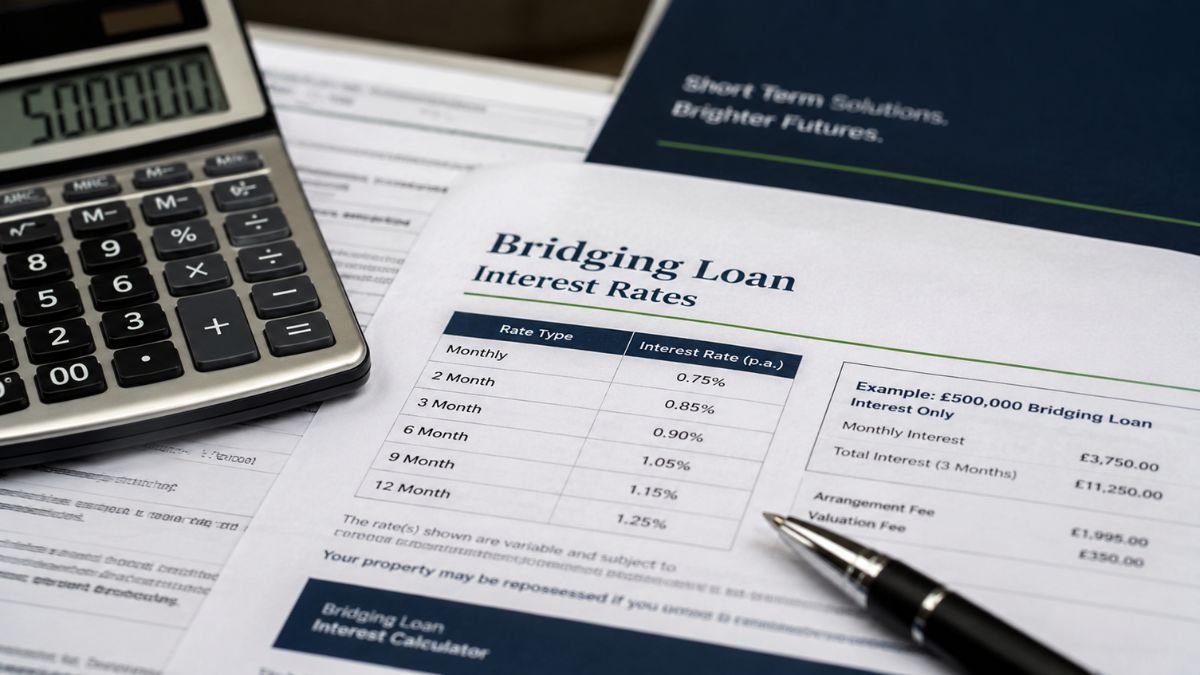
Bridging interest is quoted monthly, not annually. Bridging loan interest rates UK lenders offer in 2026 fall into three broad bands:
- 0.55%–0.75% per month - low LTV (under 60%), strong residential security, clean credit
- 0.75%–1.00% per month - standard residential cases at 65–75% LTV
- 1.00%–1.25%+ per month - commercial security, heavy refurbishment, adverse credit, or high LTV
A 0.20% monthly difference on a £300,000 loan over 9 months is £5,400 - which is why whole-of-market comparison matters more in bridging finance than in almost any other product.
The three ways bridging interest is charged
1. Serviced - paid monthly
You pay the interest each month from your own funds. This is the cheapest structure overall because interest never compounds, but the lender must be satisfied you can afford the monthly payments.
2. Retained - deducted upfront
The lender deducts the full term’s interest from the advance on day one. There is nothing to pay monthly; you receive the net amount. If you repay early, most lenders refund unused whole months’ interest - a critical point when comparing quotes.
3. Rolled up - compounding to exit
Interest accrues and compounds monthly, all repaid with the capital at exit. This maximizes day-one cash but costs the most in total. It is common on refurbishment bridges where the project cannot service payments during the works.
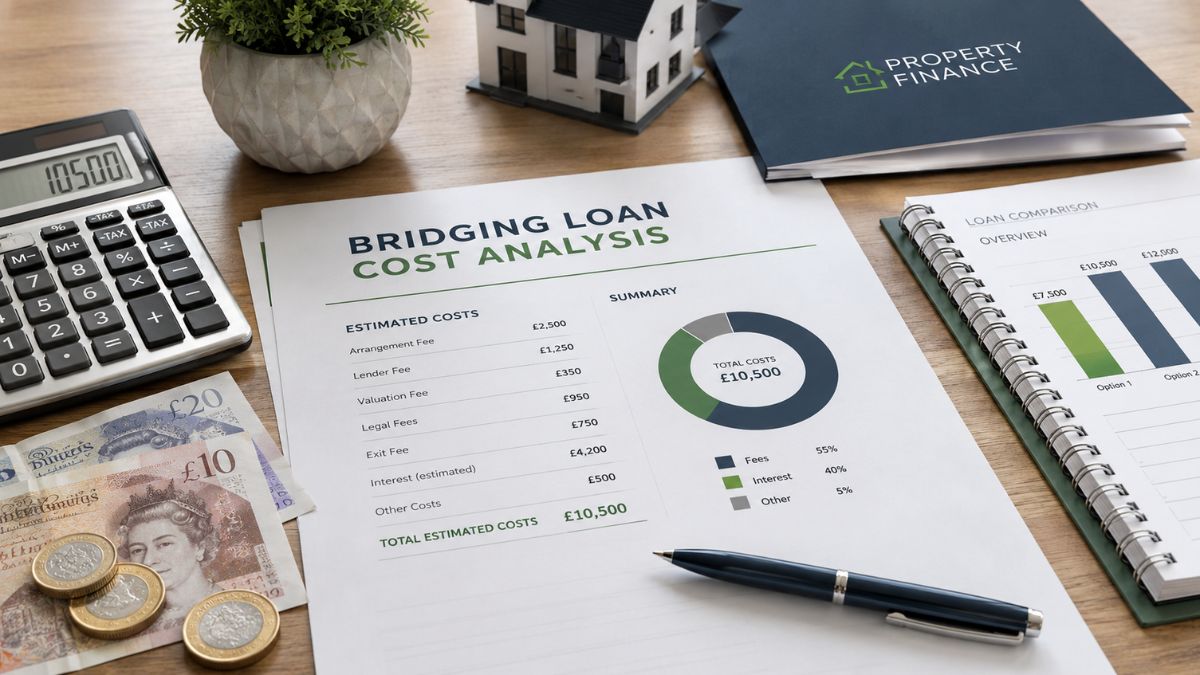
Every fee on a bridging loan - bridging loan fees explained UK
- Arrangement fee: 1% - 2% of the loan, usually added to the loan
- Valuation fee: £300–£1,500+ depending on property value and type; desktop valuations are cheaper where accepted
- Lender legal fees: £750–£2,000+, paid by the borrower; dual representation can reduce this
- Your own legal fees: £750–£1,500 for an experienced bridging solicitor
- Exit fee: many 2026 lenders charge none; some charge 1% - always check, it changes the comparison
- Telegraphic transfer / admin: £25–£50
- Broker fee: £0 with Money Pilot - we are paid by the lender, not by you
Worked example - £250,000 bridge over 9 months
Purchase price £400,000; loan £250,000 (62.5% LTV); rate 0.79% per month retained; 1.5% arrangement fee; no exit fee.
- Arrangement fee (added to loan): £3,750
- Retained interest, 9 months: £250,000 × 0.79% × 9 = £17,775
- Valuation £600 | Lender legal £950 | Own legal £900 | TT fee £30
- Total cost of finance: approximately £24,005 - about 9.6% of the loan for 9 months’ funding
If the property is sold or refinanced in month 6, unused retained interest for 3 whole months (£5,925) is refunded - cutting the true cost to roughly £18,080.
Six ways to get cheap bridging finance UK
Cheap bridging finance UK borrowers secure is rarely about finding one magic lender - it comes from structuring the case so it prices in the lowest risk band across the whole market.
How to bring your total bridging cost down:
- Borrow at the lowest workable LTV - pricing steps down at 70%, 65%, and 60%
- Evidence your exit strongly - a refinance DIP or sale comparable move you into cheaper bands
- Choose serviced interest if cash flow allows - it avoids compounding
- Avoid exit-fee lenders unless the rate saving outweighs the fee
- Use an experienced bridging solicitor- delays cost a month’s interest at a time
- Compare the whole market - the same case can price 0.3% per month apart between lenders

The route to cheap bridging finance UK borrowers can rely on: lower LTV, evidenced exit, the right interest structure, and whole-of-market comparison across 200+ lenders.
Regulated vs unregulated bridging - does it change the cost?
A bridging loan secured against a property you or your family live in (or will live in) is regulated by the FCA, with fuller affordability assessment and additional consumer protections. Loans secured purely on investment or commercial property are unregulated. Pricing between the two markets is broadly similar for equivalent risk, but the regulated market has fewer lenders, so comparison matters even more. Regulated bridges are also capped at 12-month terms, which shapes how the interest is structured and retained.
If your transaction touches your own home - a chain break on your residence, or a downsizing bridge - make sure your broker places it with a regulated bridging lender from the outset. Re-papering a case mid-application costs weeks.
Bridging costs and tax
For investment and business purposes, bridging interest and fees are generally deductible against rental or business profits - confirm the treatment for your circumstances with your accountant. For the full application process from start to finish, see our step-by-step guide: How to Get a Bridging Loan UK.
Disclosure: Money Pilot Ltd (FRN: 968705) is an Appointed Representative of Yellow Stone Finance Group Ltd which is authorised and regulated by the Financial Conduct Authority (FRN: 814533). Yellow Stone Finance Group Ltd is a credit broker not a lender. Money Pilot Ltd is Registered in England and Wales No: 13621432. You should always make sure you are able to afford any repayments as late or missed payments can affect your credit rating and access to future finance.
YOUR PROPERTY MAY BE REPOSSESSED IF YOU DO NOT KEEP UP REPAYMENTS ON A MORTGAGE OR ANY OTHER DEBT SECURED ON IT.